
Rosacea Treatment
Rosacea Treatment

Sharoe Green Pharmacy
272 Sharoe Green Lane, Fulwood, Preston, PR2 9HD
Cost: £49
Pay in storeRosacea is a long-term skin condition that mainly affects the face. It's more common in women and people with lighter skin, but symptoms can be worse in men. Treatment can help with symptoms.
Symptoms of rosacea
The first signs of rosacea include:
redness (blushing) across your nose, cheeks, forehead, chin, neck and chest that comes and goes, usually lasting for a few minutes each time – your face may also feel warm, hot or painful
a burning or stinging feeling when using water or skincare products
The redness may be harder to see on brown or black skin.
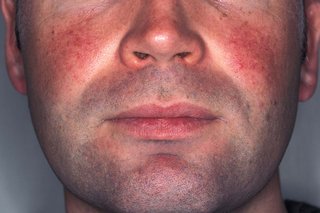
As rosacea gets worse, the skin on your cheeks, nose and forehead may be red all the time.
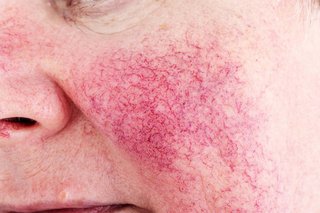
Rosacea may cause tiny broken blood vessels to appear on your skin that do not go away.
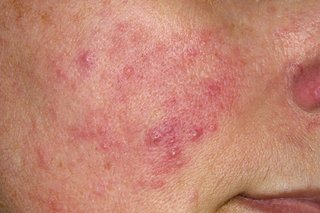
You may get small pink or red bumps on your face, sometimes filled with a yellowish liquid, if you have rosacea.
Other symptoms can include:
dry skin
swelling, especially around the eyes
yellow-orange patches on the skin
sore eyelids or crusts around roots of eyelashes – this could be blepharitis
thickened skin, mainly on the nose (usually appears after many years)
Triggers
It's not known what causes rosacea, but some things can make symptoms worse.
Common triggers for rosacea include:
alcohol
spicy foods
hot drinks
sunlight
hot or cold temperatures
aerobic exercise, like running
being stressed
If you're not sure it's rosacea
Rosacea can look a lot like other conditions, such as:
contact dermatitis, seborrhoeic dermatitis and other types of dermatitis
See a GP if:
you have symptoms of rosacea
Ask for an urgent GP appointment or call 111:
If you have rosacea and:
your eye is painful
your vision is blurred
you're sensitive to light
you have a red eye
your eye feels gritty
These could be signs of keratitis, which can be serious if not treated urgently.
Treatment for rosacea
Rosacea cannot be cured, but treatment from a GP can help control the symptoms. It can get worse if it's not treated.
A GP may suggest:
prescriptions for creams and gels you put on your skin
taking antibiotics for 6 to 16 weeks
A GP may refer you to a skin specialist (dermatologist) if treatments are not working.
Things you can do to help rosacea
Rosacea is not caused by poor hygiene and it's not contagious. But there are things you can try to help with symptoms.
If you know a trigger like alcohol or spicy food makes symptoms worse, try to avoid it as much as possible.
Do
wear a high SPF sunscreen of at least SPF 30 every day
try to avoid heat, sunlight or humid conditions if possible
try to cover your face in cold weather
use gentle skincare products for sensitive skin
clean your eyelids at least once a day if you have blepharitis
take steps to manage stress
Don’t
do not drink alcohol
do not have hot drinks
do not eat spicy food
do not do too much aerobic exercise, like running
Please register with PharmaDoctor using the link after booking
https://pharmadoctor.co.uk/patient/location-referrer/11514/63